Pond Frozen Over? Safe Thawing, Aeration, and Winter Fish Care Steps
A sudden cold snap can seal your backyard pond overnight. If you keep koi or goldfish, a solid ice cap is stressful—and risky—without a safe gas-exchange opening. December in Calgary brings freeze–thaw swings and Chinooks, so your strategy needs to handle extremes. Use this guide to thaw safely, place winter aeration correctly, and protect liners, pumps, and fish through the holidays and the coldest months ahead.
People Also Ask: How do you safely thaw a frozen pond?
Never smash or chip ice. Shock waves can injure fish and crack stonework or liners. The safest method is to use a thermostatically controlled floating de‑icer to maintain a small opening, or melt a hole by placing a pot of hot (not boiling) water on the surface and moving it gently until a vent forms. Keep the opening the size of a dinner plate—enough for gas exchange without losing too much heat.
De‑icing without damage: heaters, ice holes, and water level checks
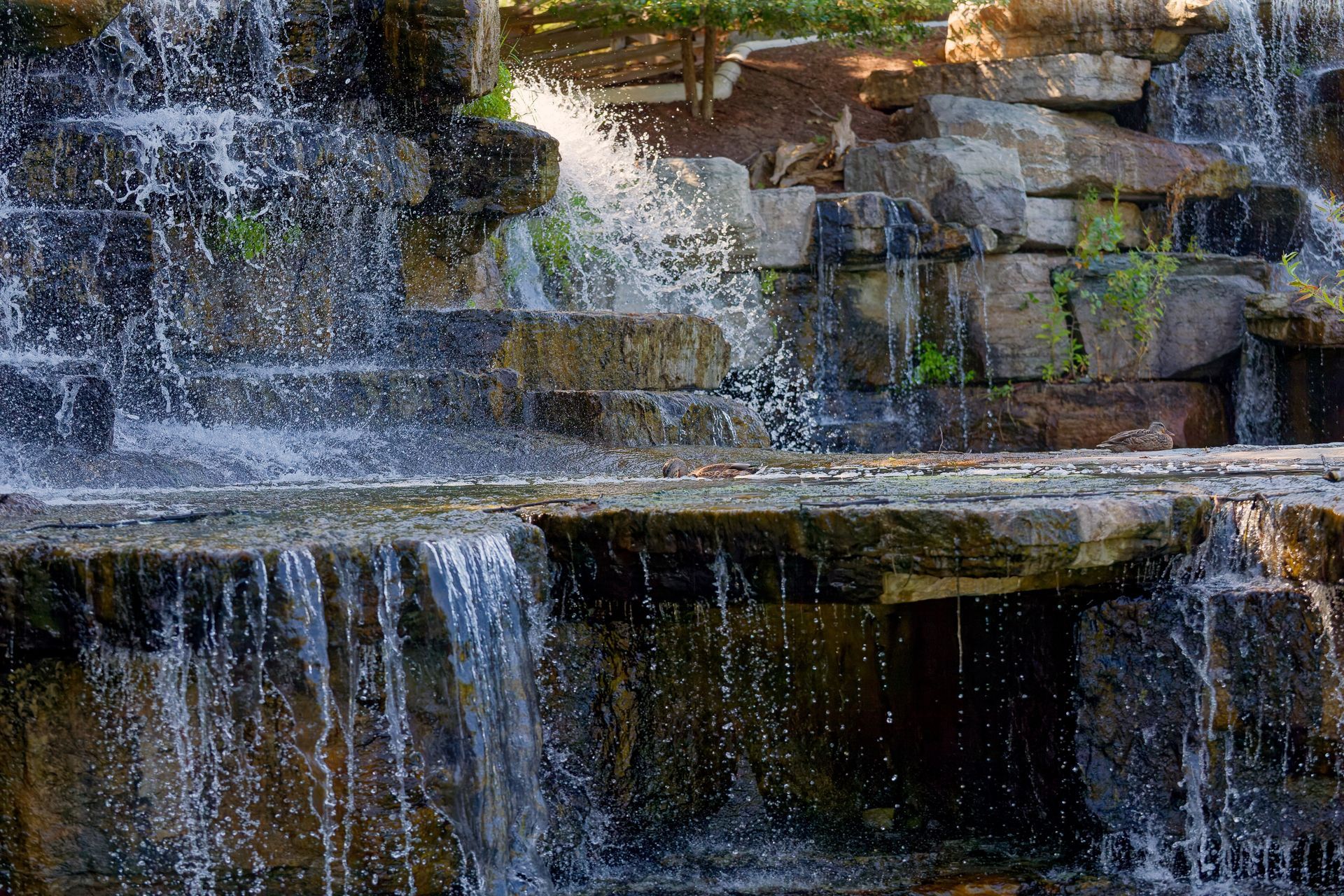
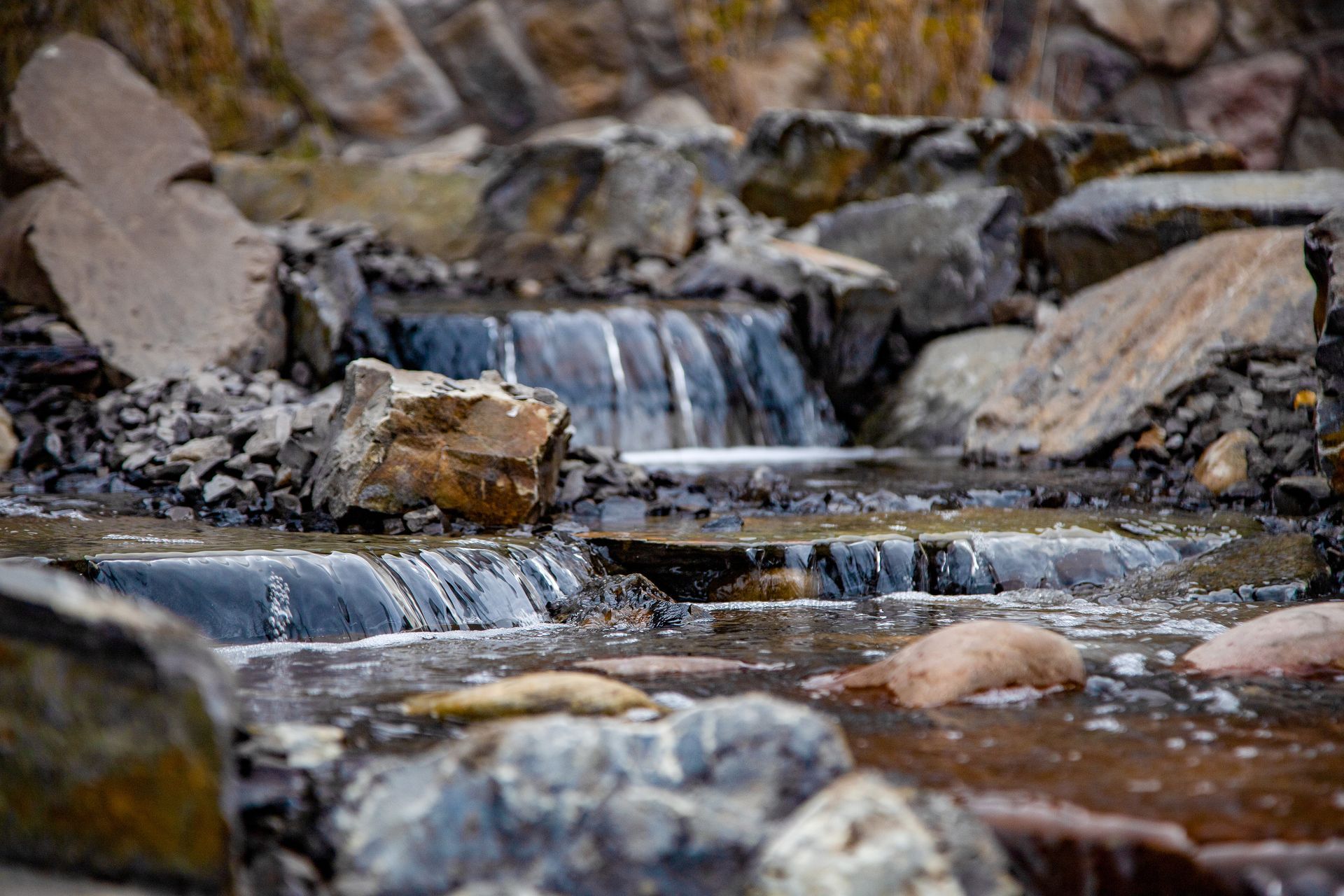
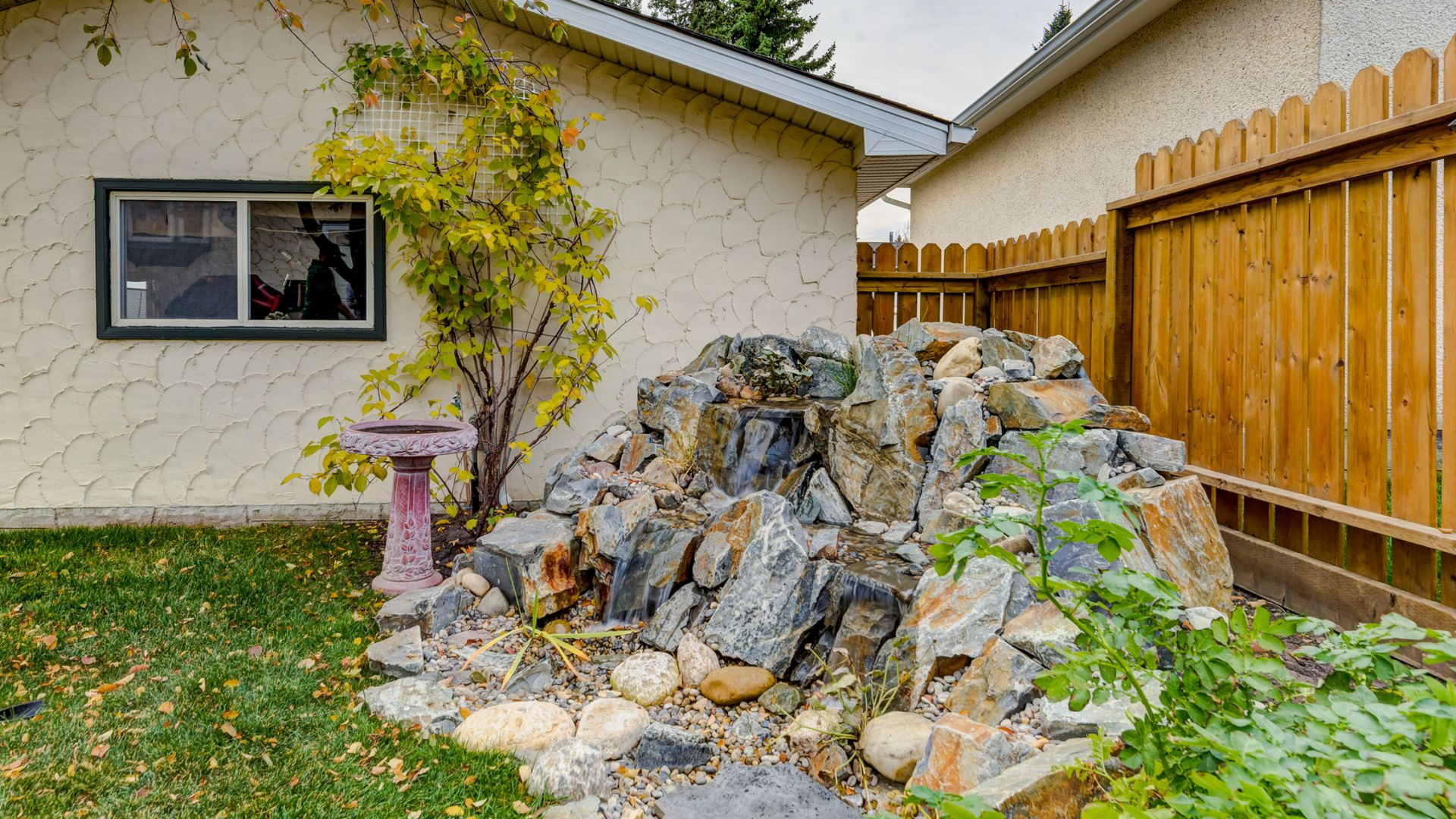
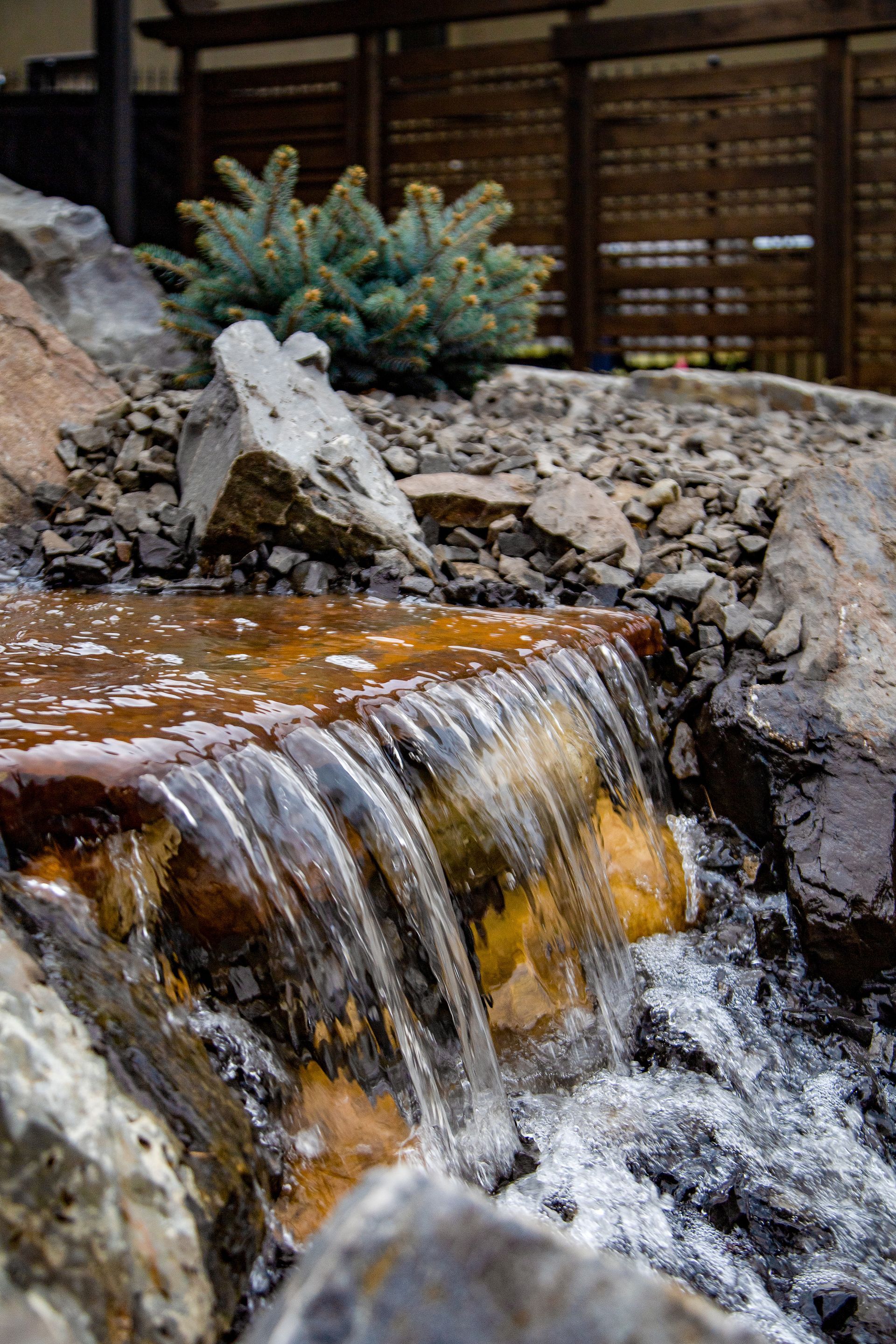
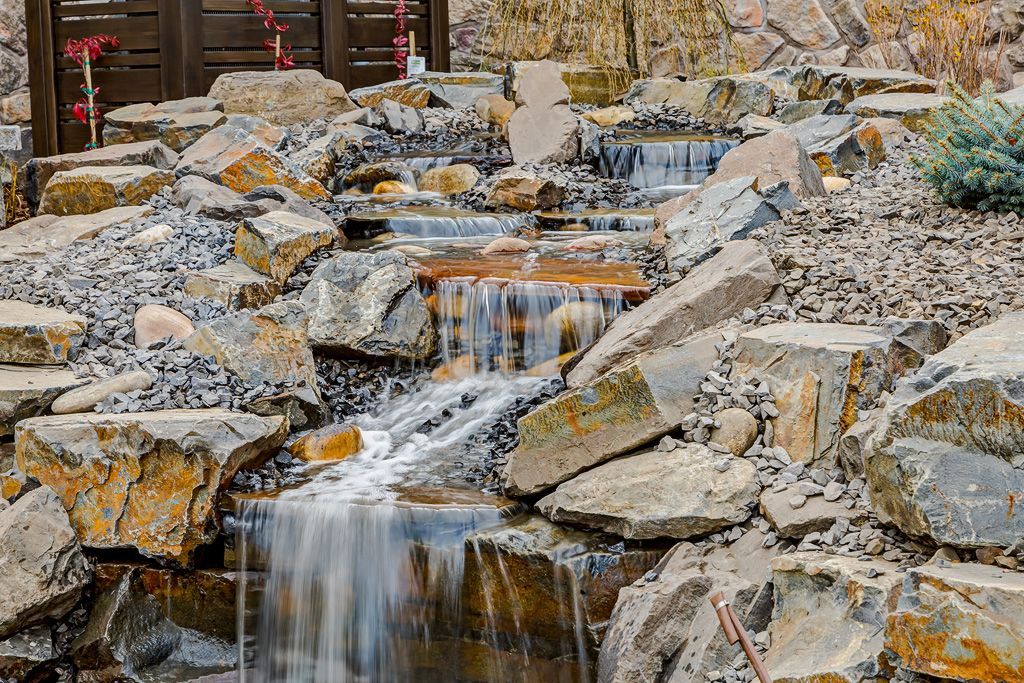
A floating de‑icer sized to your pond keeps a vent open during cold snaps. Position it downwind of your main spillway to reduce ice damming. If you run a waterfall in winter, inspect for ice shelves that divert flow out of the basin—this is a common cause of overnight water loss in Calgary, Airdrie, and Cochrane. After a Chinook, slushy ice can refreeze unevenly; recheck water levels and clear slush from skimmers and weirs before temperatures drop again.
Winter aeration placement for koi and goldfish
Aeration is essential for oxygen and off‑gassing, but placement matters. In winter, avoid super‑cooling the deepest water where fish rest. Instead, place the diffuser on a ledge or mid‑depth shelf, not at the lowest point. If your pond is shallow (under 60–75 cm), choose a low-output air pump to prevent excessive circulation and heat loss.
Do’s and don’ts for a frozen pond
- Do use a floating de‑icer and mid‑depth aeration to maintain oxygen and a safe vent.
- Do keep cords and connections outdoor‑rated and GFCI‑protected.
- Do remove snow from a small area to allow light in without overexposing fish.
- Don’t pour salt or chemical de‑icers into the pond.
- Don’t break ice with force or run a high‑flow pump across thin ice without monitoring.
- Don’t let salted driveway meltwater drain into the pond.
Holiday feeding and winter fish care
As water temperatures drop below 10°C, stop feeding; fish metabolism slows and uneaten food decays, reducing oxygen. If you need to top up, match water temperature as closely as possible and add slowly to avoid thermal shock. During warm spells, it’s tempting to do a large cleanup; instead, keep winter maintenance light—net leaves, clear pre‑filters, and wait for spring for deep vacuuming.
Local watch‑outs: Calgary Chinooks and foothills winds
Chinooks can thaw ice, shift rockwork, and create sneaky leaks as ice dams move. After warm-ups, walk the perimeter, check liner edges, and confirm the auto‑fill isn’t masking water loss. In wind‑exposed areas like Canmore and Banff, evaporative cooling and wind-driven spray accelerate icing; consider wind breaks or temporarily reducing flow to prevent surface ice from creeping over edges. Use traction sand—not salt—near water features, and divert downspouts away from paths and the pond edge to minimize icy patches.
Signs your fish need more oxygen
- Fish hovering near the ice opening or gasping at the surface
- Lethargy beyond normal winter torpor, with clamping fins
- Strong sulfur or “rotten egg” odor from trapped gases
If these appear, widen the vent with hot‑water melting, confirm the de‑icer is working, and add or adjust aeration at mid‑depth.
Planning ahead: quiet, efficient winter setups
Upgrading to an energy‑smart pump, adding a reliable check valve, and sealing electrical connections reduce winter faults. Smart controllers can alert you if a pump or heater trips during a cold snap—especially useful over the holidays. If you noticed fall water loss, book a leak detection before deeper freezes make diagnosis harder.
Call the local pond experts before the next cold snap
Rocky Mountain Waterscapes provides winter pond maintenance, safe de‑icing setups, aeration placement, and leak detection and repair. We serve Calgary, Okotoks, High River, Black Diamond, Turner Valley, Cochrane, Airdrie, Crossfield, Irricana, Canmore, Banff, Strathmore, Gleichen, Nanton, Vulcan, and nearby areas. For a December safety check or winter care plan, call 587-917-6151 or 403-477-4959, or visit rockymountainwaterscapes.com. Book today to protect your fish, preserve your equipment, and enjoy a peaceful, holiday‑ready pond all winter.